CNC Center Mould Workshop
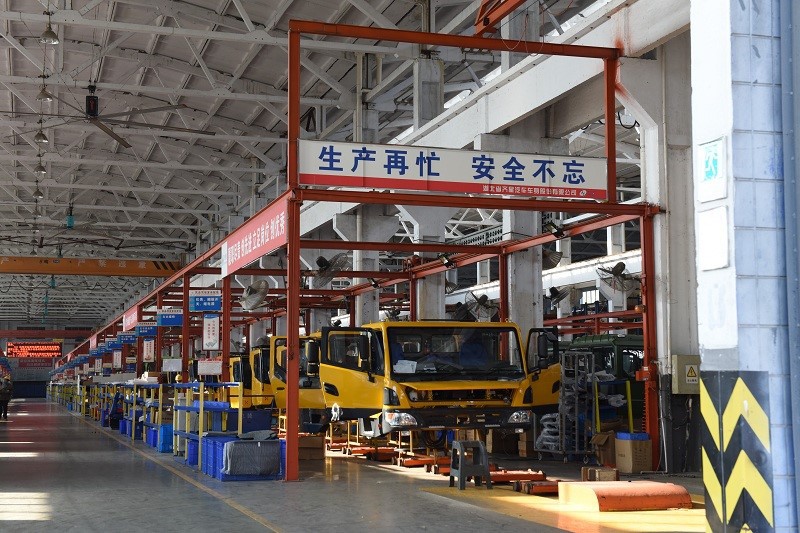
Question:
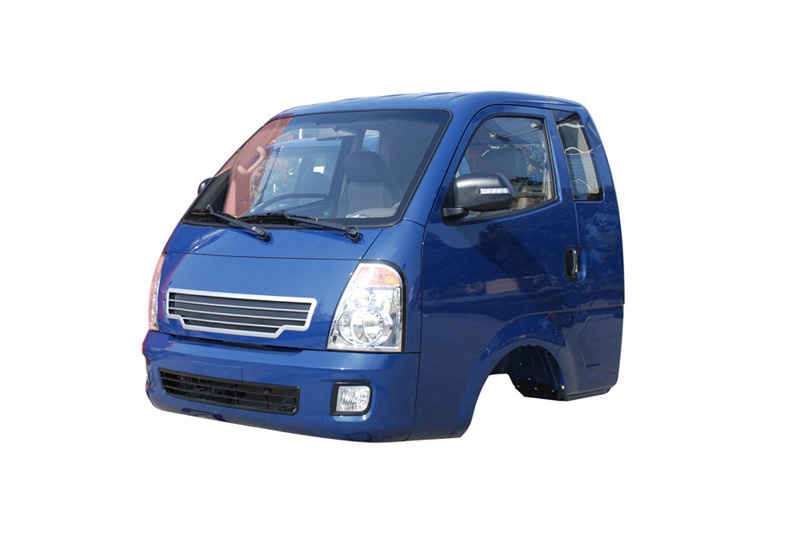
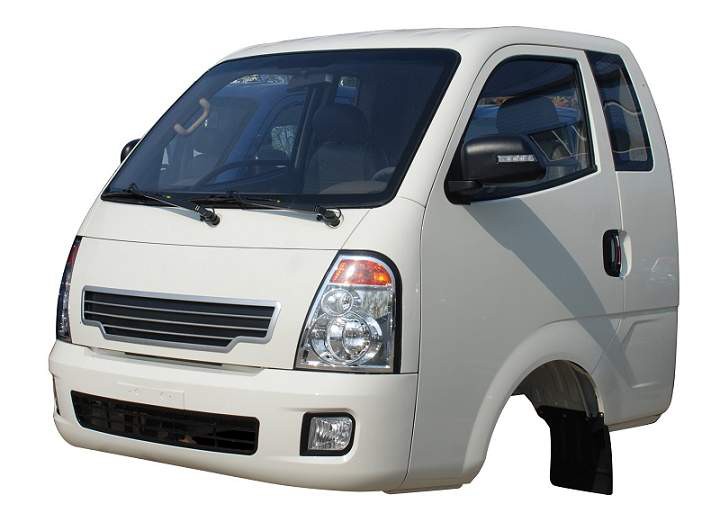
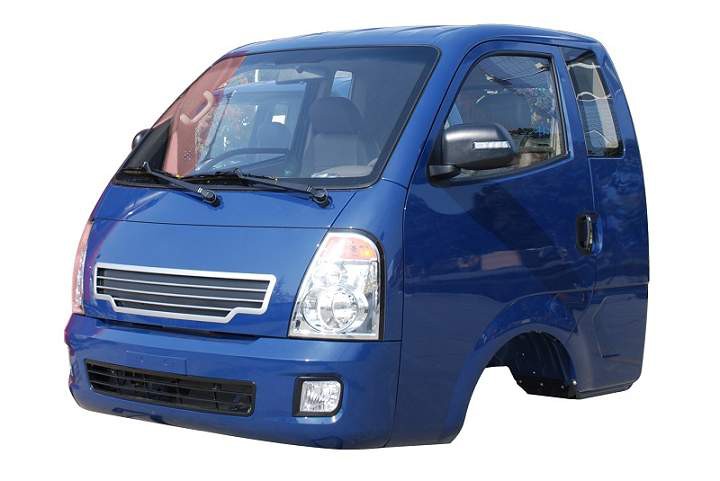
What is the cabin of a truck?
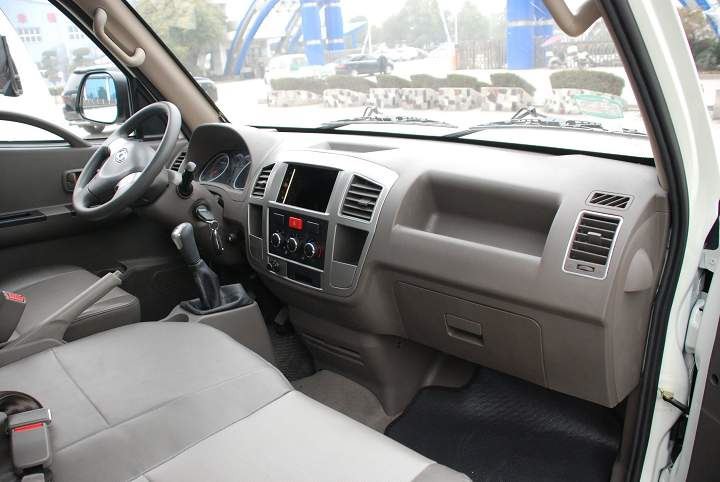
In the world of trucking, the "cab" or "cabin" is a crucial component of any truck or tractor. This is the area of the vehicle where the driver sits and controls the truck – meaning it's where all the action happens.
The word "cab" comes from the French word "cabriolet" – which refers to a type of carriage that has a roof that can be removed. Just like the cabriolets of old, the cab of a truck or tractor is spacious and designed for maximum comfort, with features like high-quality seats and air conditioning to keep the driver comfortable on long trips.
But modern cabs are much more than just a comfortable place to sit! They're also full of advanced technology and safety features that help drivers stay safe and perform their job more effectively. For example, many cabs now have GPS systems that help drivers navigate unfamiliar roads, while others have electronic logging systems that help drivers keep track of their hours of service.
Another key feature of the modern truck cab is improved visibility. Many cabs now have larger windshields and strategically placed mirrors to make it easier for drivers to see and avoid potential hazards on the road.
And of course, the cab is where drivers spend the majority of their time out on the road. So it's important that cabs are designed with the driver's needs in mind – with plenty of storage space, easy-to-use controls, and other thoughtful touches that can make all the difference when spending long hours behind the wheel.
At the end of the day, the cab is the heart and soul of any truck or tractor. It's where the driver spends their time, manages their work, and stays safe on the road. So it's no wonder that truck manufacturers today invest so much time and effort in designing cabs that are comfortable, practical, and safe for drivers to use.
Non-load-bearing body: also known as the frame type, trucks and some high-grade cars are equipped with an independent frame. This kind of vehicle load mainly has the frame to bear, the body is basically not load-bearing.